

| Characteristics | |||||||
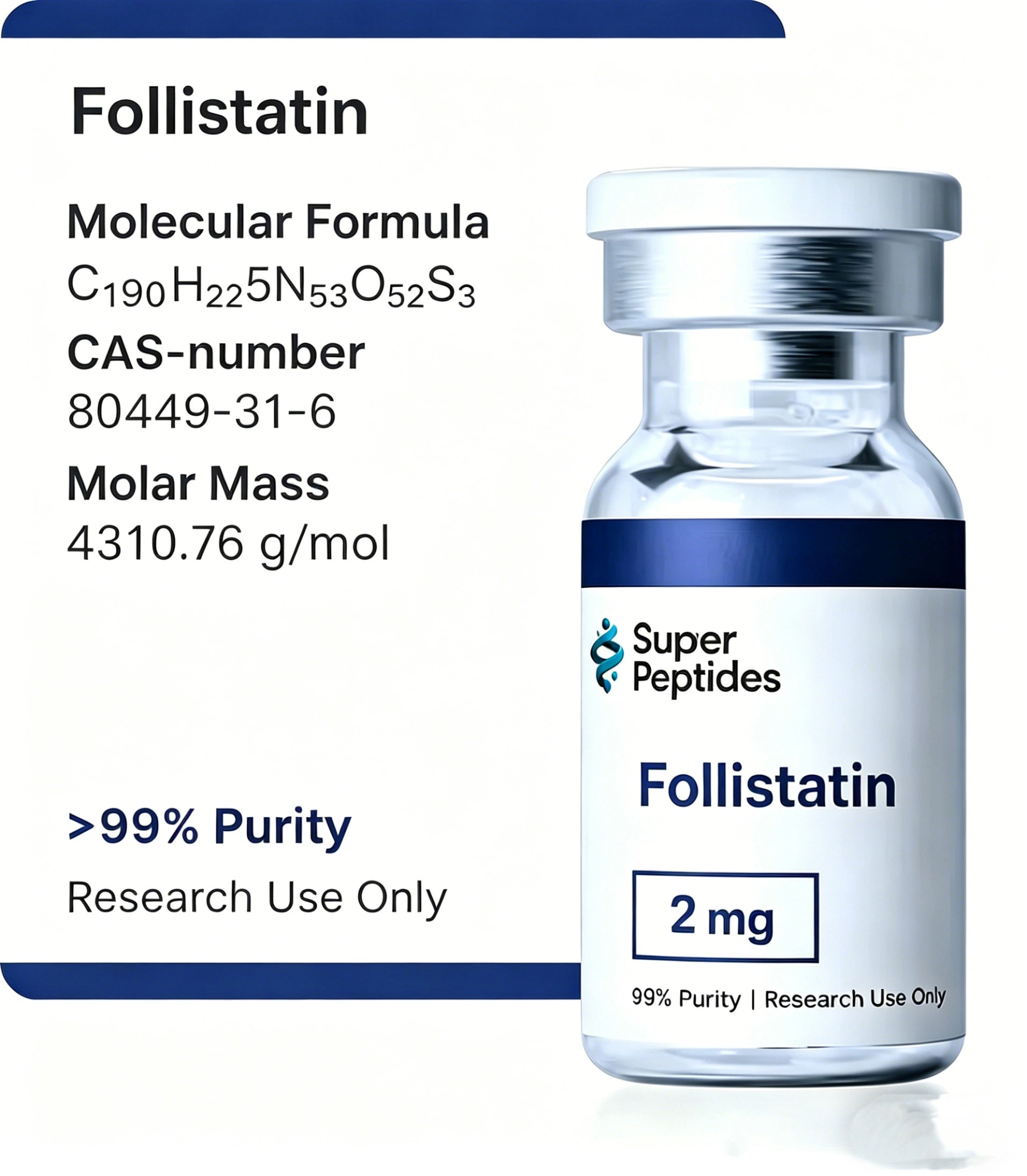
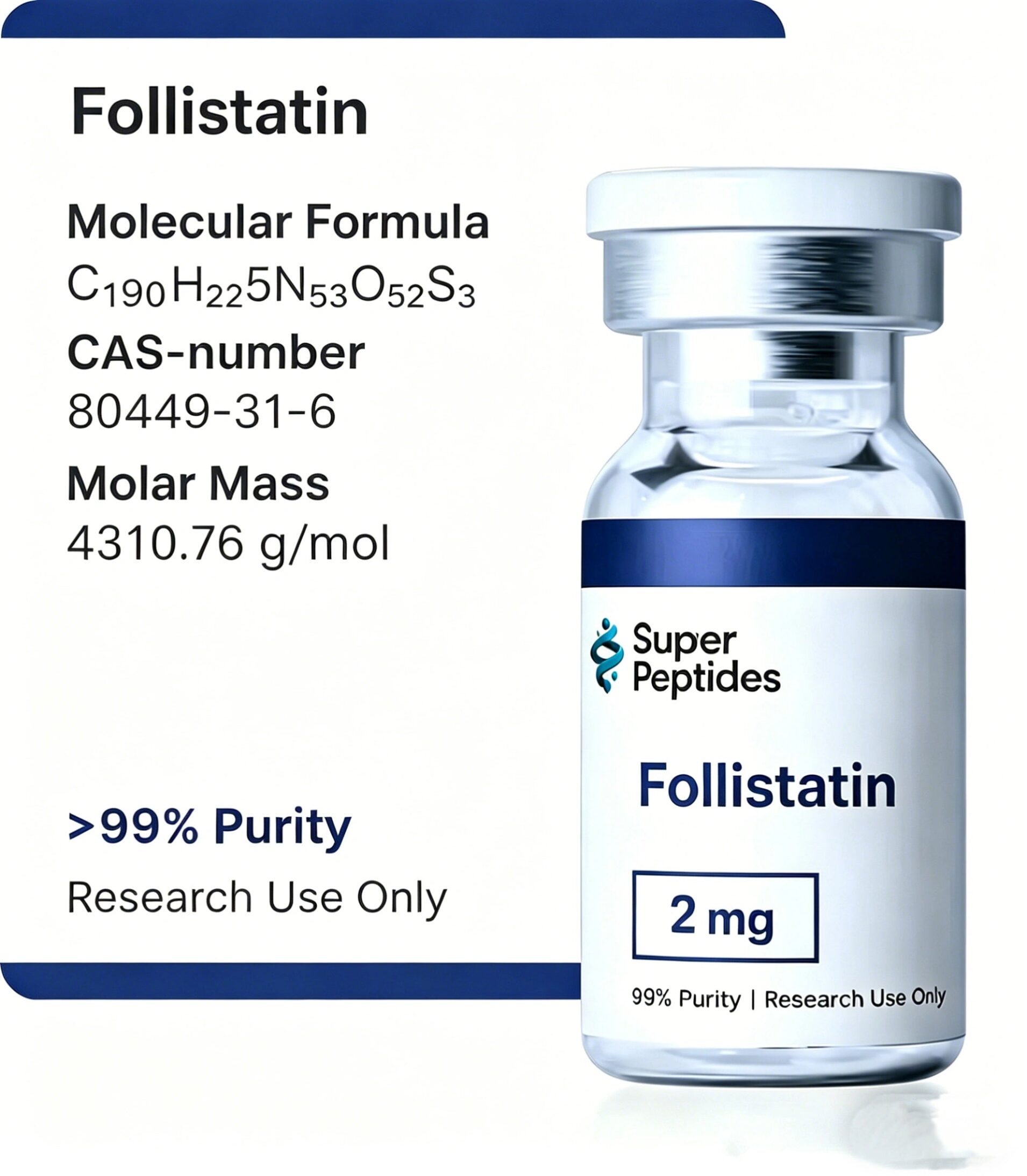
| Molecular Formula | Glycoprotein (Multiple Isoforms) | ||||||
| CAS Number | 80449-31-6 | ||||||
| Molar Mass | ~38 kDa (Glycosylated, varies by isoform) | ||||||
| Amino Acid Sequence | Precursor: 344 Amino Acids Mature Isoforms: – FST-288 (288 Amino Acids) – FST-303 (303 Amino Acids) – FST-315 (315 Amino Acids) |
||||||
| Synonyms | Activin-Binding Protein (FST), FSH-Suppressing Protein (FSP), FS | ||||||
| Solubilit | Soluble in Aqueous Buffer | ||||||
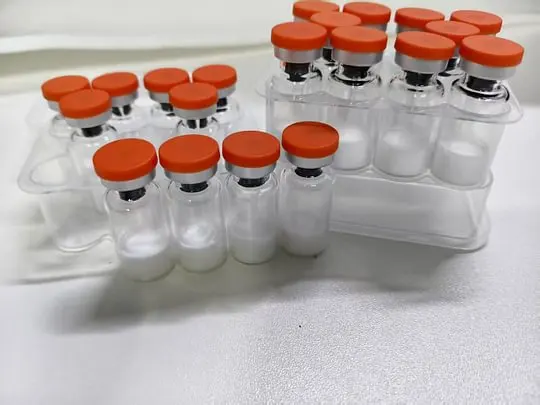
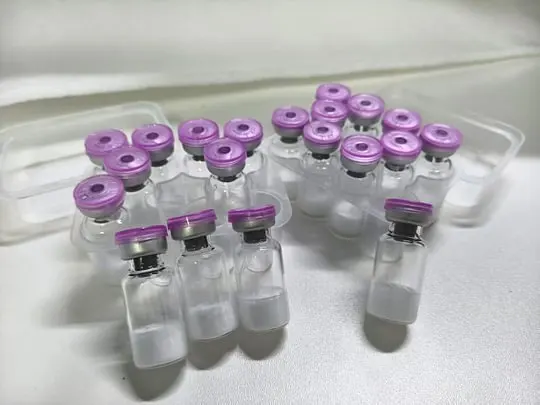
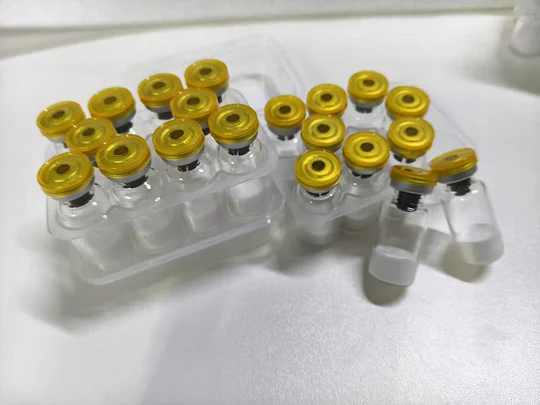
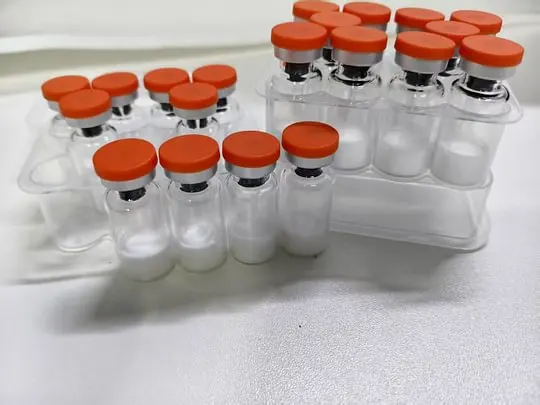
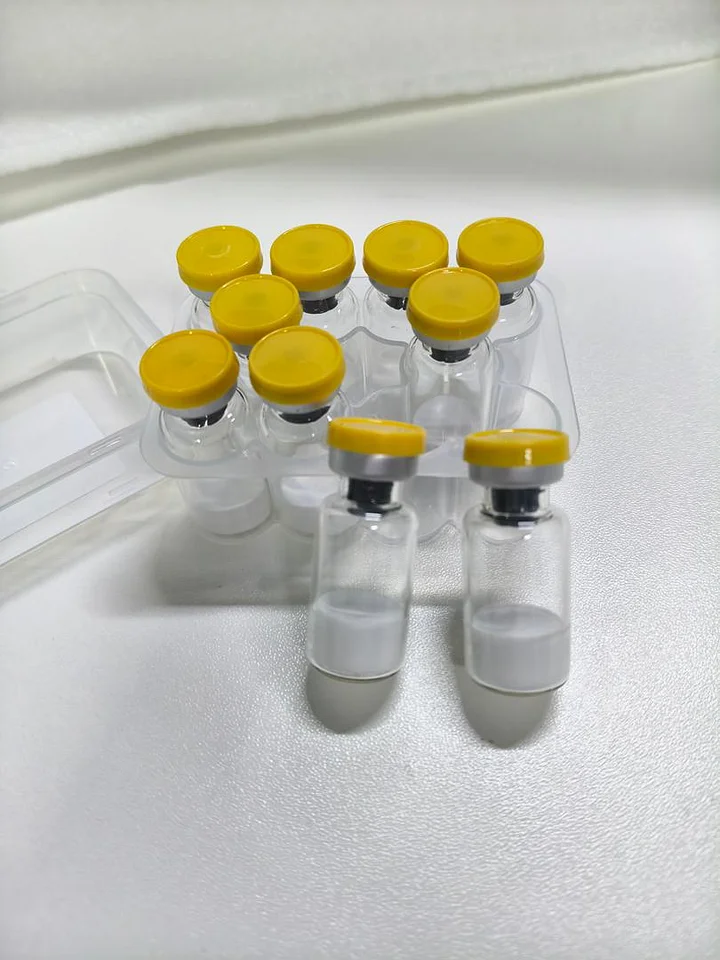
| rganoleptic Profile | Lyophilized White Powder | ||||||
| Composition | Lyophilized Powder (Sterile PBS Base with Stabilizers 如 Trehalose/Mannitol); Requires Reconstitution | ||||||
Product Introduction:
Follistatin is a naturally occurring glycoprotein (available in synthetic recombinant form) that acts as a potent antagonist of the TGF-β superfamily, most notably myostatin and activin. This stable, water-soluble peptide has been extensively researched for its potential to support muscle growth, tissue repair, and overall metabolic health. Follistatin has shown promise in promoting skeletal muscle hypertrophy, satellite cell proliferation, and accelerated recovery from muscle and soft tissue injuries. It may also have anti-inflammatory, metabolic-regulating, and tissue-protective properties. Follistatin has been studied for its potential to aid in the treatment of conditions such as muscle wasting disorders, muscular dystrophy, and age-related muscle loss. Requires reconstitution before use.
- How does Follistatin work?
Follistatin exerts its effects through several key mechanisms centered on TGF‑β superfamily modulation:
Receptor Antagonism: Follistatin binds with high affinity to activin and myostatin, thereby neutralizing their bioactivity. This inhibition prevents the activation of activin type I/II receptors and downstream SMAD signaling cascades, which is central to its biological effects.
Myostatin Inhibition: A primary function of follistatin is to block myostatin (a key negative regulator of muscle growth). By sequestering myostatin, follistatin removes its suppressive effects on skeletal muscle satellite cell proliferation and myofiber growth, thereby promoting muscle hypertrophy.
Activin Neutralization: Follistatin also binds activin, inhibiting its actions on reproductive, inflammatory, and metabolic pathways. This broader antagonism helps modulate systemic signaling beyond just muscle biology.
Tissue Repair & Angiogenesis: Beyond muscle regulation, follistatin supports tissue healing by enhancing endothelial cell function and promoting angiogenic processes, which aids in recovery from soft tissue injuries.
- Research
Follistatin has been a focus of intense research for its broad therapeutic potential:
Muscle Wasting & Dystrophy: Preclinical studies demonstrate follistatin’s ability to counteract muscle loss in models of muscular dystrophy, Researchcancer‑associated cachexia, and age‑related sarcopenia, supporting increased muscle mass and strength.
Metabolic Modulation: Research links follistatin to improved metabolic profiles, including enhanced insulin sensitivity and regulation of glucose homeostasis, partly through modulation of activin‑mediated inflammatory and metabolic pathways.
Tissue Regeneration: Preclinical evidence shows follistatin accelerates healing in injured tendons, ligaments, and skeletal muscle by boosting angiogenesis and progenitor cell activity.
Cardiovascular & Anti‑Inflammatory Roles: Emerging research indicates follistatin may reduce systemic inflammation and support cardiovascular health by inhibiting activin‑induced pro‑inflammatory signaling, though these areas remain under active investigation.
- Side Effects
Follistatin is generally well‑tolerated in preclinical research; however, potential effects observed in study models include:
Mild transient inflammatory responses at local injection sites
Potential hormonal shifts (e.g., mild activin‑mediated pathway modulation)
Long‑term high‑dose studies have shown reversible changes in reproductive hormone profiles in animal models
- Summary
Follistatin represents a critical tool for understanding TGF‑β superfamily signaling and its roles in muscle biology, metabolism, and tissue repair. Its well‑documented ability to block myostatin and activin makes it a key subject of research into therapies for muscle wasting, muscular dystrophy, and metabolic disorders. As investigations continue, follistatin provides a foundation for developing novel strategies to address muscle loss, inflammatory conditions, and related health burdens.
- Resource
All products on this site are for research and development use only. Products are not for human consumption of any kind. The statements made on this website have not been evaluated by the US Food and Drug Administration. The statements made on this website have not been evaluated by the US Food and Drug Drug Administration. The statements and the products of this company are not intended to diagnose, treat, cure, or prevent any disease. Follistatin is not a compounding pharmacy or chemical facility as defined under 508B of the Federal Food, Drug, and Cosmetic Act. All products are sold for research, laboratory, or analytical purposes only, and are not intended for human consumption or medical use. Under no circumstances should these products be used for any other purpose other than research. By purchasing or using our products, you acknowledge and agree that you will use them solely in accordance with applicable laws and regulations and that you accept full responsibility for their use. Statements made on this website have not been evaluated by the USA Food and Drug Administration.
Reviews
There are no reviews yet.