
| Characteristics | |||||||
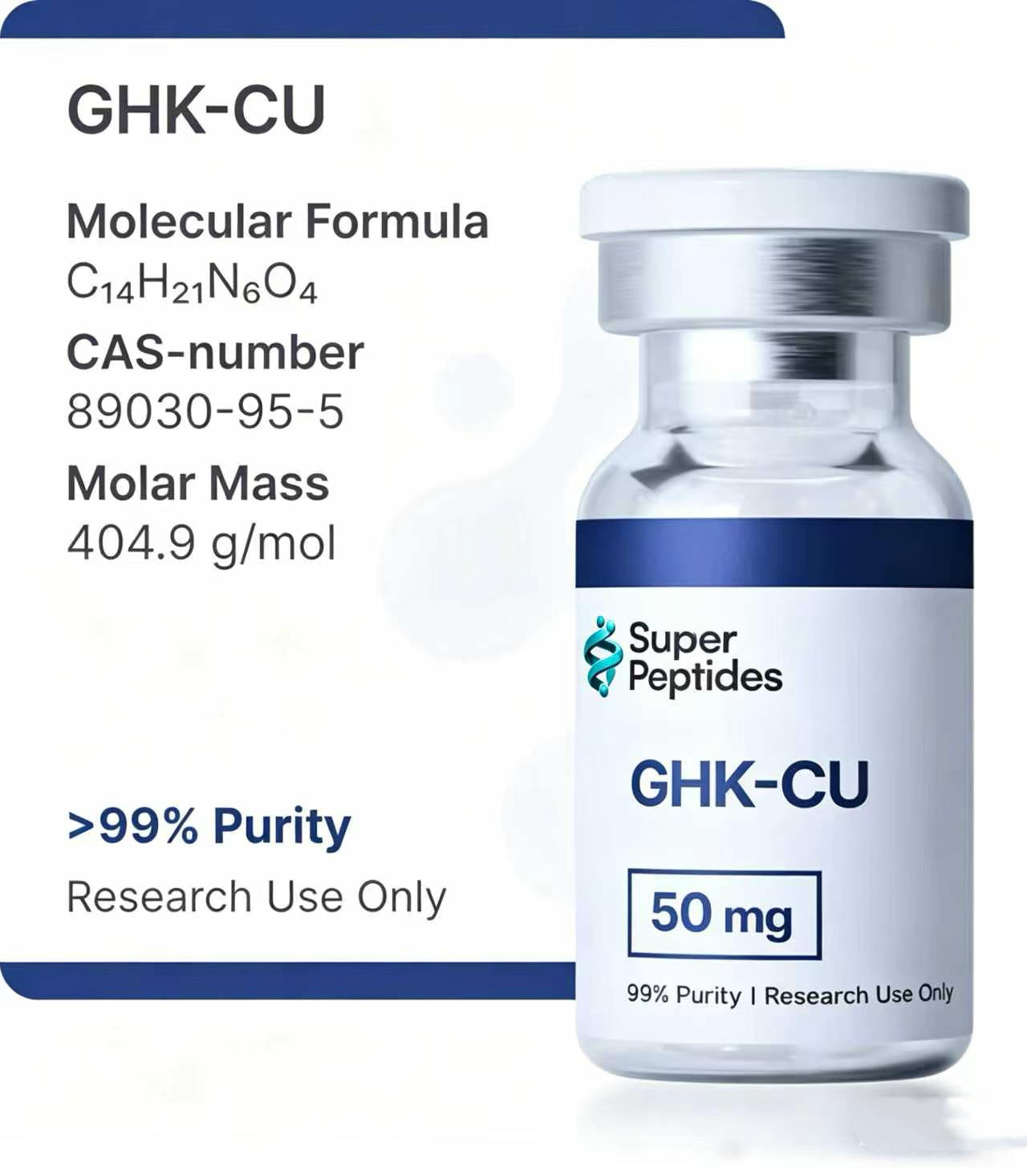
| Molecular Formula | C14H21N6O4 | ||||||
| CAS Number | 89030-95-5 | ||||||
| Molar Mass | 404.9 g/mol | ||||||
| Amino Acid Sequence | Gly-His-Lys | ||||||
| Synonyms | Copper tripeptide-1, Copper-GHK, GHK-Cu, Copper peptide | ||||||
| Solubilit | Water-soluble | ||||||
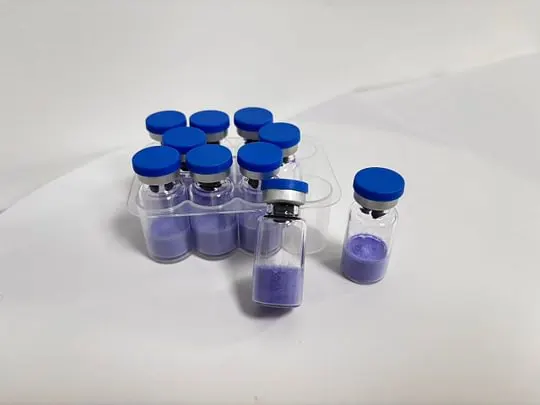
| rganoleptic Profile | Blue powder | ||||||
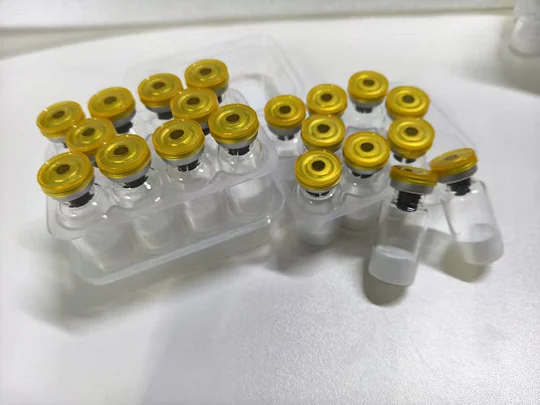
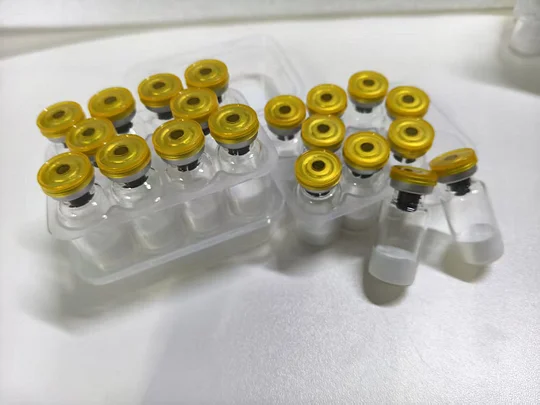
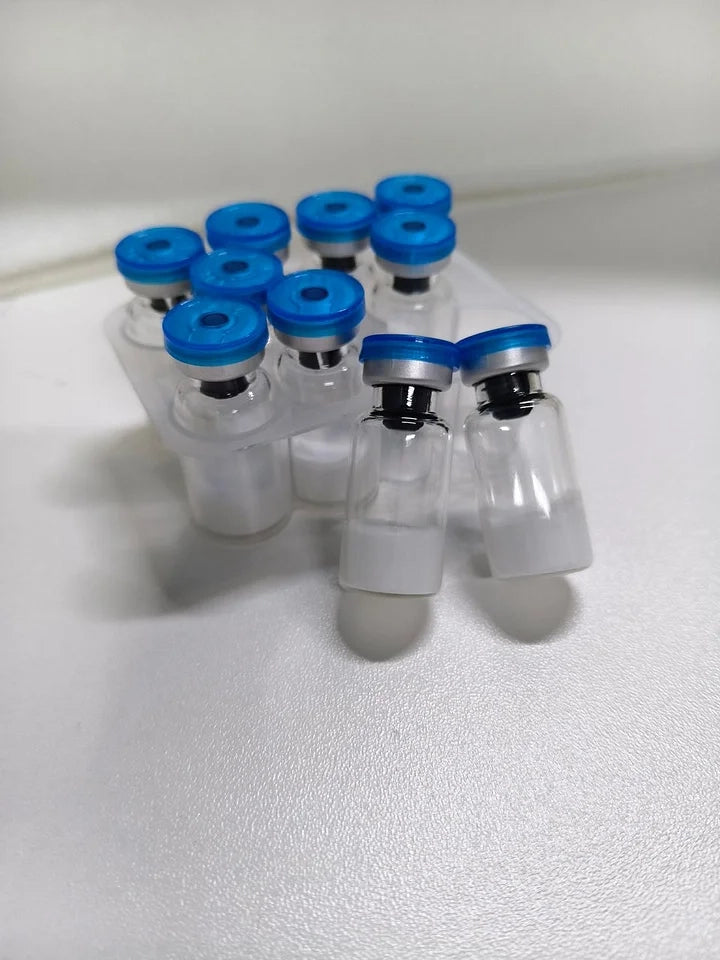
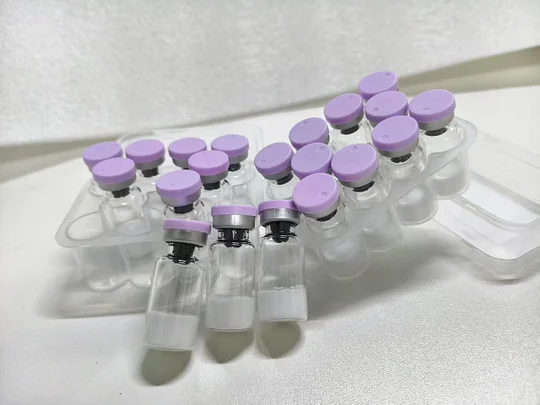
| Composition | Lyophilized powder – requires reconstitution | ||||||
Product Introduction:
GHK-Cu is a naturally occurring peptide complex composed of glycyl-L-histidyl-L-lysine (GHK) bound to copper (Cu). This tripeptide has been identified in mammalian plasma, saliva, and urine, and has been studied in connection with biological processes related to tissue remodeling and cellular signaling. It has drawn interest within the scientific community for its involvement in pathways associated with skin biology, extracellular matrix dynamics, and aging-related processes. Requires reconstitution before use.
- How is GHK-Cu Used in Research?
GHK-Cu is associated with a range of biological pathways linked to cellular signaling and extracellular matrix dynamics. Its role has been explored in collagen-related processes, angiogenic signaling, and cellular activity within skin-associated cell types such as fibroblasts and keratinocytes. Additional work has focused on its relationship to oxidative stress and inflammatory signaling.
At the molecular level, its relationship to gene expression has been examined, particularly in processes tied to extracellular matrix turnover and cellular signaling. This includes matrix metalloproteinases (MMPs), which are associated with the breakdown and restructuring of proteins such as collagen and elastin.
In addition, scientists have studied GHK-Cu for its ability to bind copper ions, which play a role in enzymatic processes related to collagen structure and cross-linking, including those involving lysyl oxidase. These interactions are associated with broader structural and signaling functions within the extracellular matrix.
- Research
Skin structure: GHK-Cu has drawn interest in relation to skin composition and extracellular matrix dynamics, including its connection to collagen-related activity and overall structural organization.
Tissue dynamics: Research has also looked at how GHK-Cu relates to cellular behavior tied to tissue organization, including aspects of cell movement, growth patterns, and structural coordination.
Oxidative activity: Scientific work in this area has examined GHK-Cu’s relationship to oxidative balance and cellular responses to environmental stressors.
Follicular function: Additional attention has been given to GHK-Cu’s connection with hair follicle biology, including factors linked to growth cycle behavior and cellular activity within the follicle environment.
Neural systems: Interest has also extended to GHK-Cu’s relationship with neural activity and cellular stress responses, particularly in areas tied to oxidative balance and protein regulation.
- Summary
GHK-Cu is a naturally occurring peptide complex that has attracted attention for its role in a variety of biological systems. Recent research highlights its connection to extracellular matrix dynamics, cellular activity, and oxidative balance, along with areas related to skin biology and structural organization.
Existing findings offer insight into how this compound interacts within these systems, though its full range of biological activity is still being defined. Continued investigation will help clarify how these interactions vary across different experimental conditions.
As with any research material, appropriate handling practices and established laboratory guidelines should be followed. Ongoing scientific interest reflects GHK-Cu’s relevance as a tool for studying complex cellular and biochemical functions.
- Resource
All products on this site are for research and development use only. Products are not for human consumption of any kind. The statements made on this website have not been evaluated by the US Food and Drug Administration. The statements made on this website have not been evaluated by the US Food and Drug Administration. The statements and the products of this company are not intended to diagnose, treat, cure, or prevent any disease. Power Peptides is not a compounding pharmacy or chemical compounding facility as defined under 503A of the Federal Food, Drug, and Cosmetic Act. Power Peptides is not an outsourcing facility as defined under 503B of the Federal Food, Drug, and Cosmetic Act. All products are sold for research, laboratory, or analytical purposes only, and are not for human consumption. Power Peptides Products are intended strictly for research purposes only. These products are not approved by the U.S. Food and Drug Administration (FDA) for human consumption or medical use. Under no circumstances should these peptides be used for any purpose other than research. By purchasing or using our peptides, you acknowledge and agree that you will use them solely in accordance with applicable laws and regulations and that you accept full responsibility for their use. Statements made on this website have not been evaluated by the USA Food and Drug Administration.
Reviews
There are no reviews yet.