

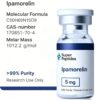
| Characteristics | |||||||
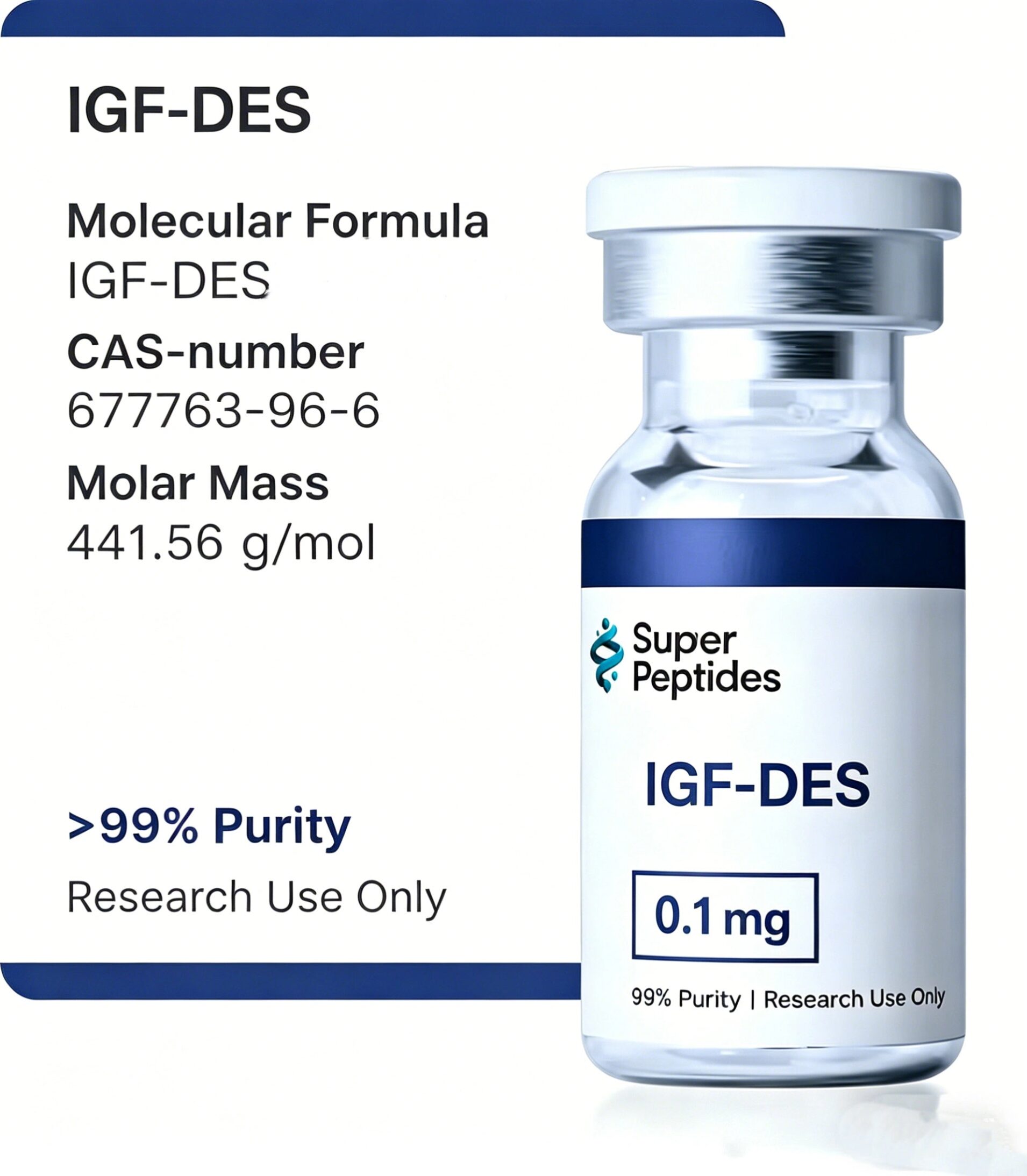
| Molecular Formula | C₇₃H₁₁₀N₂₀O₂₄S | ||||||
| CAS Number | 112603-35-7 | ||||||
| Molar Mass | 1689.83 g/mol | ||||||
| Amino Acid Sequence | GPEETLCGAELVDALQFVCGDRGFYFNKPTGYGSSSRRAPQTGIVDECCFRSCDLRRLEMYCAPLKPAKSA | ||||||
| Synonyms | IGF-1 DES, Des(1-3) IGF-1, IGF-1(4-70), 112603-35-7, Somatomedin C DES | ||||||
| Solubilit | Soluble in Water | ||||||
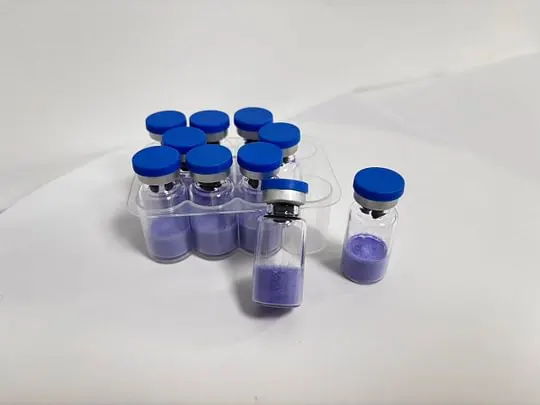
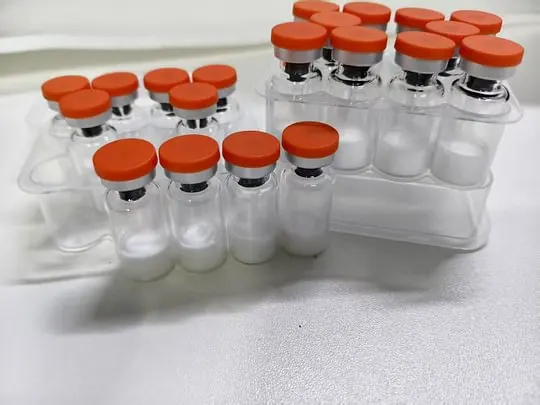
| rganoleptic Profile | White to off-white lyophilized powder | ||||||
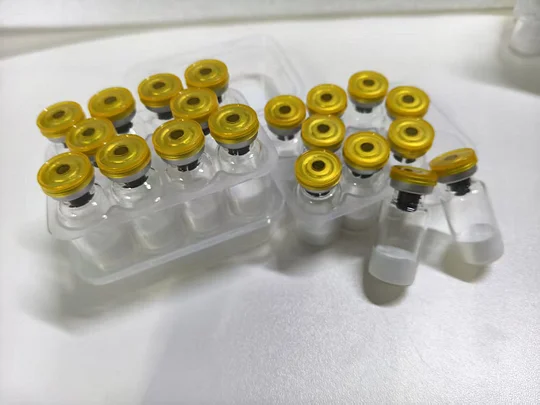
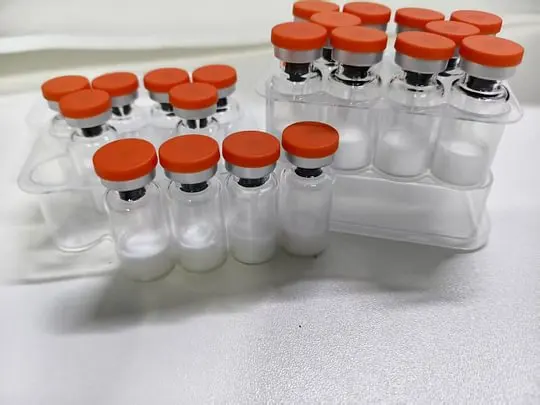
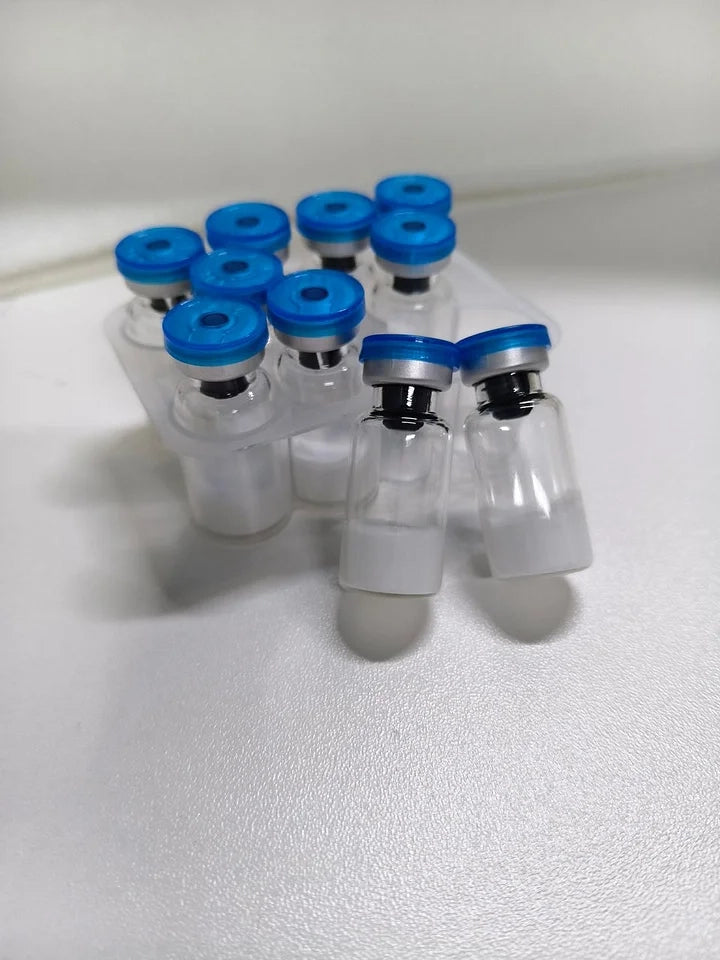
| Composition | Lyophilized powder – requires reconstitution | ||||||
Product Introduction:
IGF-DES (Des(1-3) IGF-1) is a highly potent synthetic peptide variant of insulin-like growth factor 1 (IGF-1), engineered by removing the first three amino acids from the native IGF-1 molecule. This modified structure significantly enhances its biological activity and binding affinity, making it far more effective than standard IGF-1 for muscle growth, tissue repair, and performance enhancement.
This stable, water-soluble peptide has been extensively researched for its exceptional ability to promote lean muscle mass development, accelerate muscle recovery, and boost overall physical performance. IGF-DES has shown remarkable promise in stimulating muscle protein synthesis, enhancing muscle cell proliferation, and supporting rapid recovery from intense workouts and injuries. It may also have powerful anabolic, anti-catabolic, and tissue-regenerative properties.
IGF-DES has been studied for its potential to aid in muscle hypertrophy, accelerated injury recovery, improved body composition, and enhanced athletic performance. It is supplied as a lyophilized powder and requires reconstitution before use.
- How does IGF-DES work?
IGF-DES (Des(1-3) IGF-1) exerts its biological effects through a highly specific and potent signaling mechanism tied to the insulin-like growth factor 1 receptor (IGF-1R). As a truncated variant of native IGF-1, it lacks the first three N-terminal amino acids, which grants it a unique advantage: significantly reduced binding affinity to insulin-like growth factor binding proteins (IGFBPs) while maintaining strong affinity for the IGF-1 receptor.
Receptor Activation: IGF-DES binds with high specificity to IGF-1 receptors, which are widely expressed across skeletal muscle, bone, cartilage, and other metabolic tissues. This binding triggers intracellular signaling cascades, primarily via the PI3K/Akt and MAPK/ERK pathways, initiating a cascade of molecular events that drive cellular responses.
Muscle Protein Synthesis: Central to its activity, IGF-DES potently stimulates muscle protein synthesis (MPS) while inhibiting muscle protein breakdown (MPB). This anabolic-catabolic balance promotes the accumulation of lean muscle mass and supports muscle growth.
Tissue Regeneration & Recovery: By activating IGF-1R in muscle, bone, and connective tissues, IGF-DES accelerates cellular proliferation, differentiation, and tissue repair. It enhances the regeneration of damaged muscle fibers, supports bone matrix formation, and aids in the recovery of soft tissue injuries.
Metabolic Regulation: Beyond muscle growth, IGF-DES modulates metabolic processes by enhancing nutrient uptake (e.g., glucose and amino acids) in muscle tissue, supporting healthy body composition and metabolic flexibility.
- Research
IGF-DES has been the focus of extensive preclinical and research studies due to its superior biological activity compared to full-length IGF-1.
Muscle Hypertrophy: Research demonstrates IGF-DES’s exceptional ability to promote significant muscle growth in animal models, with studies showing robust increases in lean muscle mass, muscle fiber cross-sectional area, and myofiber proliferation—making it a key tool for investigating muscle growth mechanisms.
Injury Recovery: Preclinical data highlights IGF-DES’s potential to accelerate recovery from muscle, tendon, and soft tissue injuries. It supports the regeneration of damaged muscle tissue, reduces recovery time, and enhances functional restoration post-injury.
Metabolic Support: Studies indicate IGF-DES may play a role in regulating metabolic processes, including improving nutrient utilization and supporting healthy body composition by promoting lean muscle retention over fat.
Athletic Performance: Research explores IGF-DES’s potential to enhance physical performance by boosting muscle strength, endurance, and recovery—making it a subject of interest for investigating exercise-induced muscle adaptation.
- Side Effects
Research on IGF-DES is ongoing, and reported side effects (primarily from preclinical studies) associated with its use may include:
– Muscle soreness or discomfort at the injection/reconstitution site
– Mild transient fluctuations in metabolic markers (e.g., glucose levels)
– Fatigue (in rare cases, associated with rapid metabolic shifts)
It is important to note that side effects are not universally reported and may vary based on dosage, administration protocol, and individual response. As with all research peptides, close monitoring of physiological responses is recommended.
- Summary
IGF-DES represents a pivotal advancement in IGF-1 signaling research, serving as a potent and highly active tool for investigating the multifaceted roles of IGF-1 signaling in muscle growth, tissue regeneration, and metabolic physiology. Its truncated structure—with enhanced receptor affinity and reduced binding to IGFBPs—makes it uniquely valuable for studying muscle hypertrophy, accelerating injury recovery, and exploring metabolic regulation.
As research continues, IGF-DES provides critical insights into the mechanisms of muscle tissue repair and growth, with potential applications in preclinical studies focused on tissue regeneration, athletic performance optimization, and metabolic health. Its distinct biological profile positions it as an indispensable research compound for advancing understanding of IGF-1-related pathways and therapeutic possibilities.
- Resource
All products on this site are for research and development use only. Products are not for human consumption of any kind. The statements made on this website have not been evaluated by the US Food and Drug Administration (FDA) or any other regulatory body.
The products and statements on this site are not intended to diagnose, treat, cure, or prevent any disease. Pure Peptides is not a compounding pharmacy or chemical manufacturing facility as defined under 503B of the Federal Food, Drug, and Cosmetic Act. All products are sold for research, laboratory, or analytical purposes only, and are not intended for human consumption or medical use.
Under no circumstances should these peptides be used for any purpose other than research. By purchasing or using our products, you acknowledge and agree that you will use them solely in compliance with applicable laws and regulations and that you accept full responsibility for their use. Statements made on this website have not been evaluated by the USA Food and Drug Administration.
Reviews
There are no reviews yet.