
| Characteristics | |||||||
| Molecular Formula | C₂₀₇H₃₄₁N₆₁O₅₇ | ||||||
| CAS Number | 59756-23-3 | ||||||
| Molar Mass | 4493.4 g/mol | ||||||
| Amino Acid Sequence | LLGDFFRKSKEKIGKEFKRIVQRIKDFLRNLVPRTES | ||||||
| Synonyms | Cathelicidin LL-37, LL-37, hCAP-18, Human Cathelicidin Antimicrobial Peptide 18, LL37 Peptide | ||||||
| Solubilit | Soluble in Water, Aqueous Buffers | ||||||
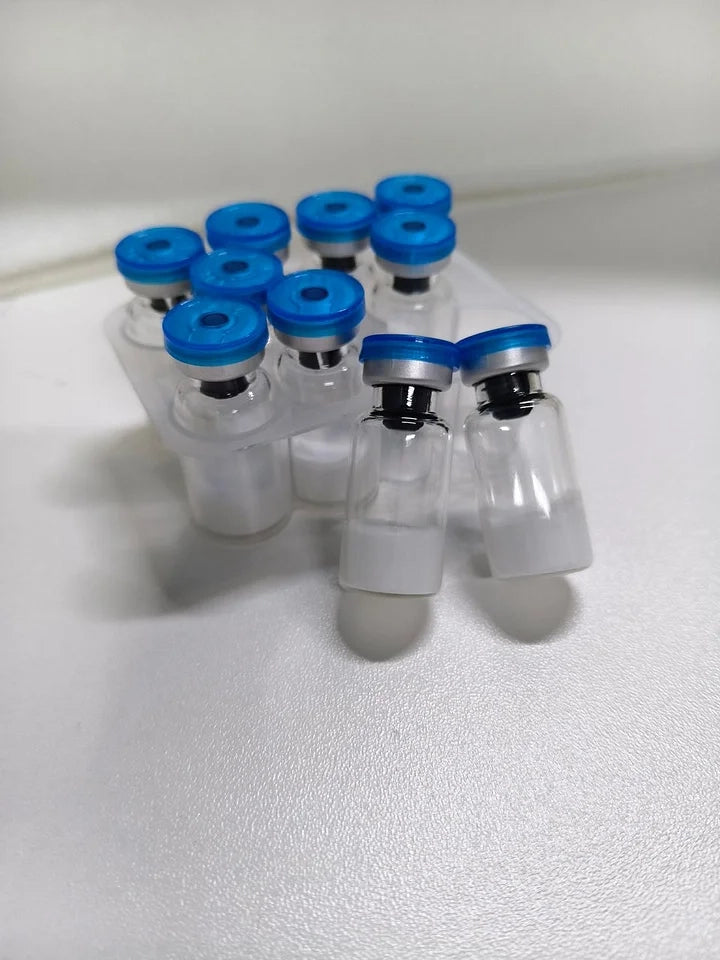
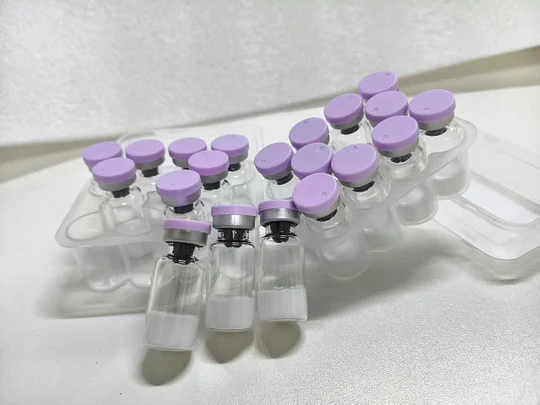
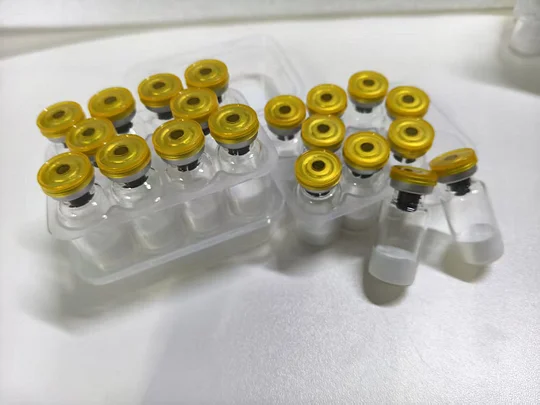
| rganoleptic Profile | White to off-white lyophilized powder | ||||||
| Composition | Lyophilized powder – requires reconstitution | ||||||
Product Introduction:
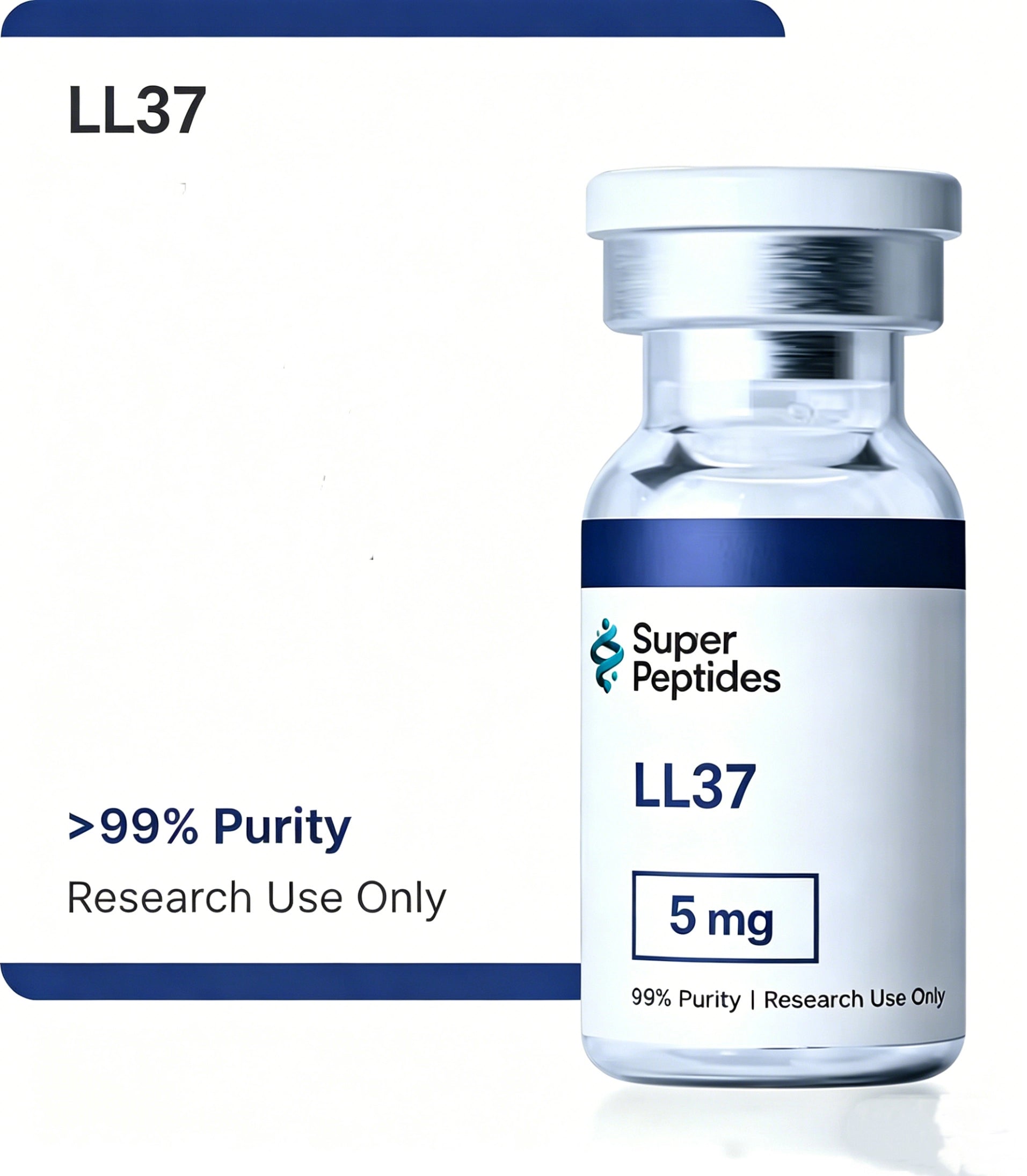
LL37 is a naturally occurring human antimicrobial peptide, also known as cathelicidin, derived from the C-terminal of the CAP18 protein. This versatile, cationic peptide has been extensively researched for its multifaceted biological activities, including broad-spectrum antimicrobial defense, immunomodulation, and tissue repair. LL37 has shown great promise in combating bacteria, fungi, and viruses, while also regulating inflammatory responses and promoting wound healing. It may also have anti-tumor, angiogenic, and barrier-protective properties. LL37 has been studied for its potential to aid in the treatment of conditions such as skin infections, inflammatory skin disorders, chronic wounds, and mucosal infections. Requires reconstitution before use.
- How does LL37 work?
LL37 exerts its effects through several interconnected mechanisms:
1. Antimicrobial Action: LL37 acts as a broad-spectrum antimicrobial peptide, disrupting the microbial cell membrane integrity to combat Gram-positive/negative bacteria, fungi, and enveloped viruses. It exerts this activity via cationic charge-mediated binding to negatively charged microbial surfaces, followed by pore formation.
2. Immunomodulatory Effects: LL37 modulates immune cell function, including chemotaxis of neutrophils, monocytes, and T cells. It regulates cytokine release (e.g., pro-inflammatory and anti-inflammatory cytokines) to shape inflammatory responses, linking innate and adaptive immunity.
3. Wound Healing & Tissue Repair: LL37 promotes angiogenesis by stimulating endothelial cell proliferation and migration, accelerating re-epithelialization of wounded tissue. It also supports extracellular matrix remodeling, aiding in the repair of skin, mucosal, and epithelial injuries.
4. Barrier Protection: LL37 strengthens epithelial barrier function by tight junction modulation, reducing transepithelial permeability and protecting against microbial invasion and inflammatory damage.
5. Anti-Inflammatory & Tissue Regenerative Properties: It dampens excessive inflammatory cascades in chronic inflammatory conditions while supporting tissue regeneration, with potential roles in resolving inflamed mucosal and cutaneous tissues.
- Research
Research indicates LL37 may have potential benefits for:
1. Skin Health: Treating skin infections (bacterial/fungal), inflammatory skin disorders (e.g., psoriasis, atopic dermatitis), and chronic wounds (diabetic ulcers, pressure sores).
2. Mucosal Protection: Aiding in the management of mucosal infections (oral, gastrointestinal) and inflammatory bowel diseases by enhancing mucosal barrier function and regulating local inflammation.
3. Antimicrobial Defense: Supporting innate immune defense against multidrug-resistant pathogens in research settings.
4. Immunomodulatory Therapy: Investigating its potential as an adjuvant in anti-infective or anti-inflammatory therapeutic strategies.
- Side Effects
Common side effects associated with LL37 research use (in vitro/in vivo preclinical studies) include:
• Local skin irritation (redness, itching, erythema) at application sites
• Mild inflammatory responses (transient cytokine upregulation)
• Gastrointestinal discomfort (oral administration studies)
• Rare systemic immune reactions (hypersensitivity, rare in preclinical models)
Note: Side effect profiles vary by administration route, dose, and study model.
- Summary
LL37 represents a significant advancement in antimicrobial and immunomodulatory peptide research, serving as a multifunctional tool for investigating host-microbe interactions, immune regulation, and tissue repair. Its demonstrated efficacy in combating resistant pathogens, promoting wound healing, and modulating inflammation makes it a valuable subject for preclinical and early-stage research into infectious, inflammatory, and tissue injury-related disorders. As research progresses, LL37 may provide insights into novel therapeutic strategies for addressing unmet medical needs in infectious disease, dermatology, and gastroenterology.
- Resource
All products on this site are for research and development use only. Products are not for human consumption of any kind. The statements made on this website have not been evaluated by the US Food and Drug Administration. The statements made on this website have not been evaluated by the US Food and Drug Administration. The products and the claims made about them on this website are not intended to diagnose, treat, cure, or prevent any disease. Power Peptides is not a compounding pharmacy or chemical manufacturing facility as defined under 508A of the Federal Food, Drug, and Cosmetic Act. All products are sold for research, laboratory, or analytical purposes only, and are not intended for human consumption or medical use. Under no circumstances should these peptides be used for any purpose other than research. By purchasing or using our peptides, you acknowledge and agree that you will use them solely in accordance with applicable laws and regulations and that you accept full responsibility for their use. Statements made on this website have not been evaluated by the USA Food and Drug Administration.
Reviews
There are no reviews yet.