
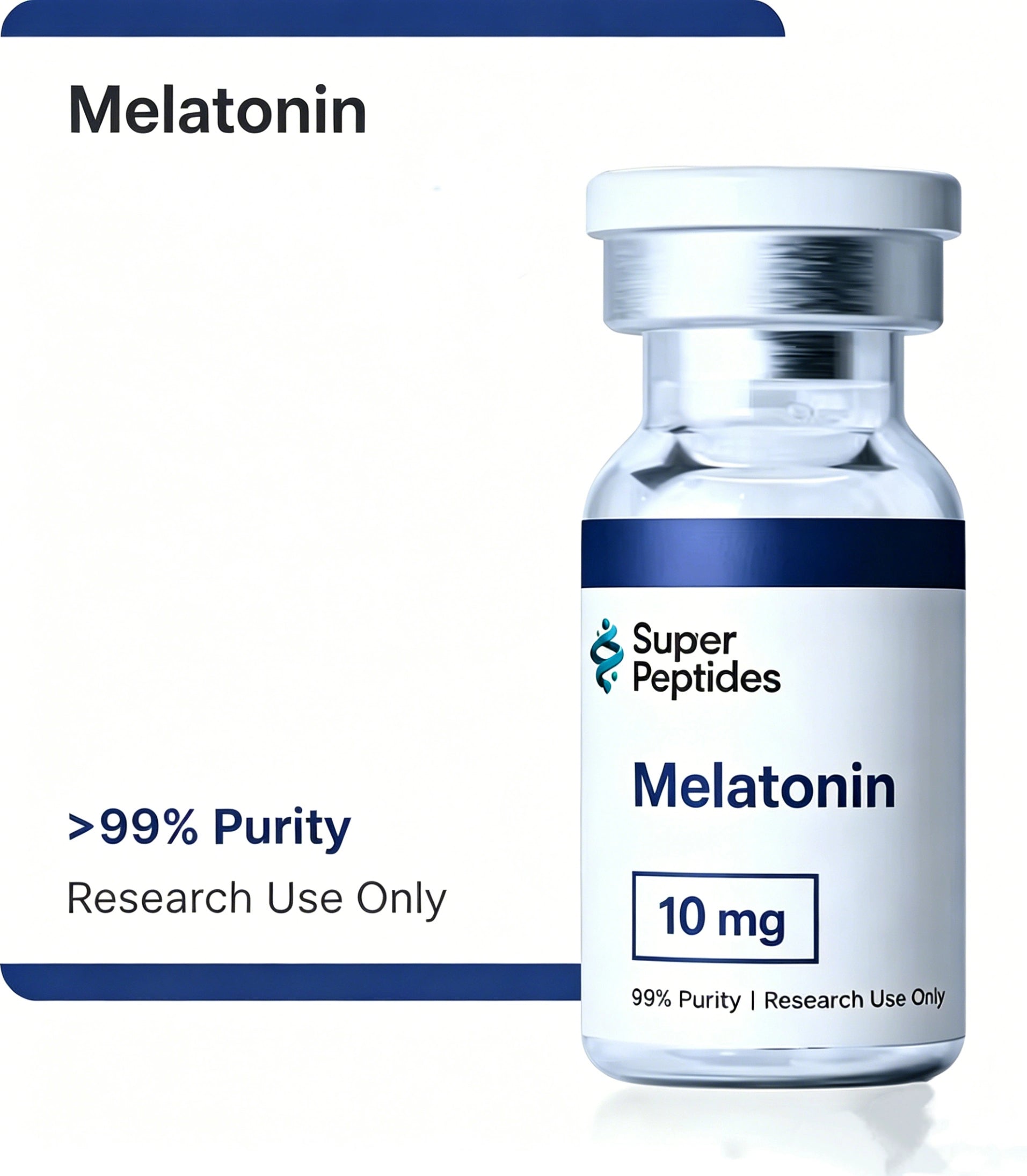


| Characteristics | |||||||
| Molecular Formula | C₁₃H₁₆N₂O₂ | ||||||
| CAS Number | 73-31-0 | ||||||
| Molar Mass | 232.28 g/mol | ||||||
| Amino Acid Sequence | N/A (non-peptide hormone) | ||||||
| Synonyms | Melatonin, N-Acetyl-5-methoxytryptamine, Melatone, Melaxin, Circadin | ||||||
| Solubilit | Soluble in Ethanol, Slightly Soluble in Water | ||||||
| rganoleptic Profile | White to off-white crystalline powder | ||||||
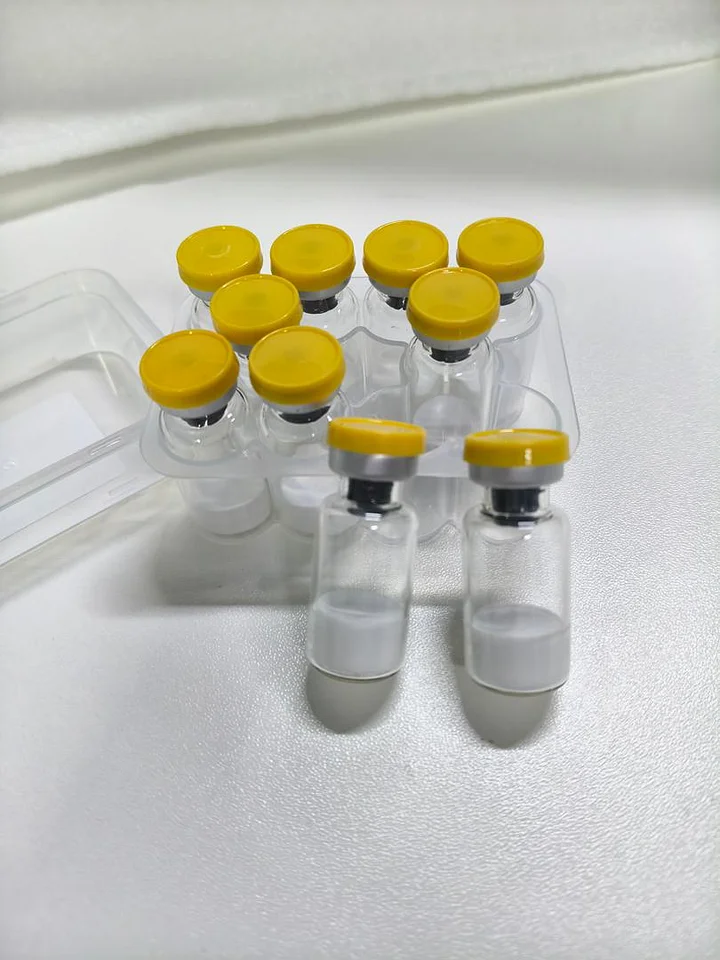
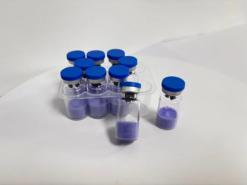
| Composition | Lyophilized powder / Crystalline solid – requires dissolution | ||||||
Product Introduction:
Melatonin is a naturally occurring hormone synthesized primarily from serotonin in the pineal gland of the human body, as well as found in various plants, animals and microorganisms. As a key regulator of the circadian rhythm, it plays an indispensable role in modulating the sleep-wake cycle, helping to align the body’s internal biological clock with the external light-dark cycle.
This non-peptide substance has been extensively studied for its potential to support healthy sleep patterns, alleviate sleep-onset latency, and improve sleep quality in individuals with disrupted circadian rhythms, such as those experiencing jet lag, shift work disorder, or mild sleep difficulties. Beyond its core sleep-regulatory functions, melatonin exhibits antioxidant properties and may contribute to supporting overall cellular health by neutralizing free radicals. It also shows potential in modulating immune system activity and maintaining physiological balance during periods of stress or sleep deprivation.
Available in multiple formulations including lyophilized powder, tablets and capsules, melatonin products typically require proper reconstitution (for powder forms) or oral administration as directed. It is important to follow recommended dosage guidelines and consult a healthcare professional before use, especially for individuals with pre-existing health conditions or those taking medications.
- How does Melatonin work?
Melatonin exerts its effects through several interconnected mechanisms:
Melatonin Receptor Activation: Melatonin binds to and activates MT1 and MT2 receptors, which are widely expressed in the suprachiasmatic nucleus (SCN) of the hypothalamus, as well as in peripheral tissues. This activation initiates intracellular signaling cascades, primarily through G-protein coupled pathways, to regulate circadian rhythm and physiological functions.
Circadian Rhythm Regulation: In the SCN, melatonin modulates the body’s internal biological clock, synchronizing it with the external light-dark cycle. It promotes sleep onset by reducing neuronal activity in the SCN, facilitating the transition to a sleep state.
Antioxidant & Neuroprotective Effects: Melatonin acts as a potent free radical scavenger, neutralizing reactive oxygen species (ROS) and protecting cells from oxidative damage. It also supports neuronal health and may enhance mitochondrial function in the central nervous system.
- Research
Sleep Regulation: Extensive research confirms melatonin’s efficacy in reducing sleep onset latency, improving sleep quality, and managing circadian rhythm disorders such as jet lag, delayed sleep-wake phase disorder (DSWPD), and shift work sleep disorder.
Antioxidant & Anti-Inflammatory Effects: Studies demonstrate melatonin’s ability to reduce oxidative stress and modulate inflammatory responses, supporting cellular health across multiple organ systems.
Immune Modulation: Research indicates melatonin may enhance immune system function by regulating cytokine production and supporting immune cell activity, particularly during periods of sleep disruption or stress.
Metabolic & Cardiovascular Support: Preliminary studies suggest melatonin may contribute to healthy blood pressure regulation, lipid profile maintenance, and metabolic balance in individuals with sleep disturbances.
- Side Effects
The most common side effects associated with Melatonin include:
– Headache
– Drowsiness / daytime sleepiness
– Dizziness
– Nausea
– Next-day grogginess (with high doses)
– Vivid dreams or nightmares
- Summary
Melatonin represents a well-studied neurohormone with critical roles in circadian rhythm regulation, sleep modulation, and antioxidant defense. Its demonstrated efficacy in managing sleep disorders, combined with its potential neuroprotective, anti-inflammatory, and immune-supporting properties, makes it a valuable subject for ongoing research in sleep medicine, metabolic health, and aging. As investigations continue into its diverse physiological functions, melatonin may provide insights into novel therapeutic strategies for addressing sleep disturbances, circadian misalignment, and oxidative stress-related conditions.
- Resource
All products on this site are for research and development use only. Products are not for human consumption of any kind. The statements made on this website have not been evaluated by the US Food and Drug Administration. The statements and the products of this company are not intended to diagnose, treat, cure, or prevent any disease. Power Peptides is not a compounding pharmacy or chemical compounding facility as defined under 503A of the Federal Food, Drug, and Cosmetic Act. Power Peptides is not our outsourcing facility as defined under 503B of the Federal Food, Drug, and Cosmetic Act. All products are sold for research, laboratory, or analytical purposes only, and are not for human consumption. Power Peptides Products are intended strictly for research purposes only. These products are not approved by the U.S. Food and Drug Administration (FDA) for human consumption or medical use. Under no circumstances should these peptides be used for any purpose other than research. By purchasing or using our peptides, you acknowledge and agree that you will use them solely in accordance with applicable laws and regulations and that you accept full responsibility for their use. Statements made on this website have not been evaluated by the USA Food and Drug Administration.





Reviews
There are no reviews yet.