

| Characteristics | |||||||
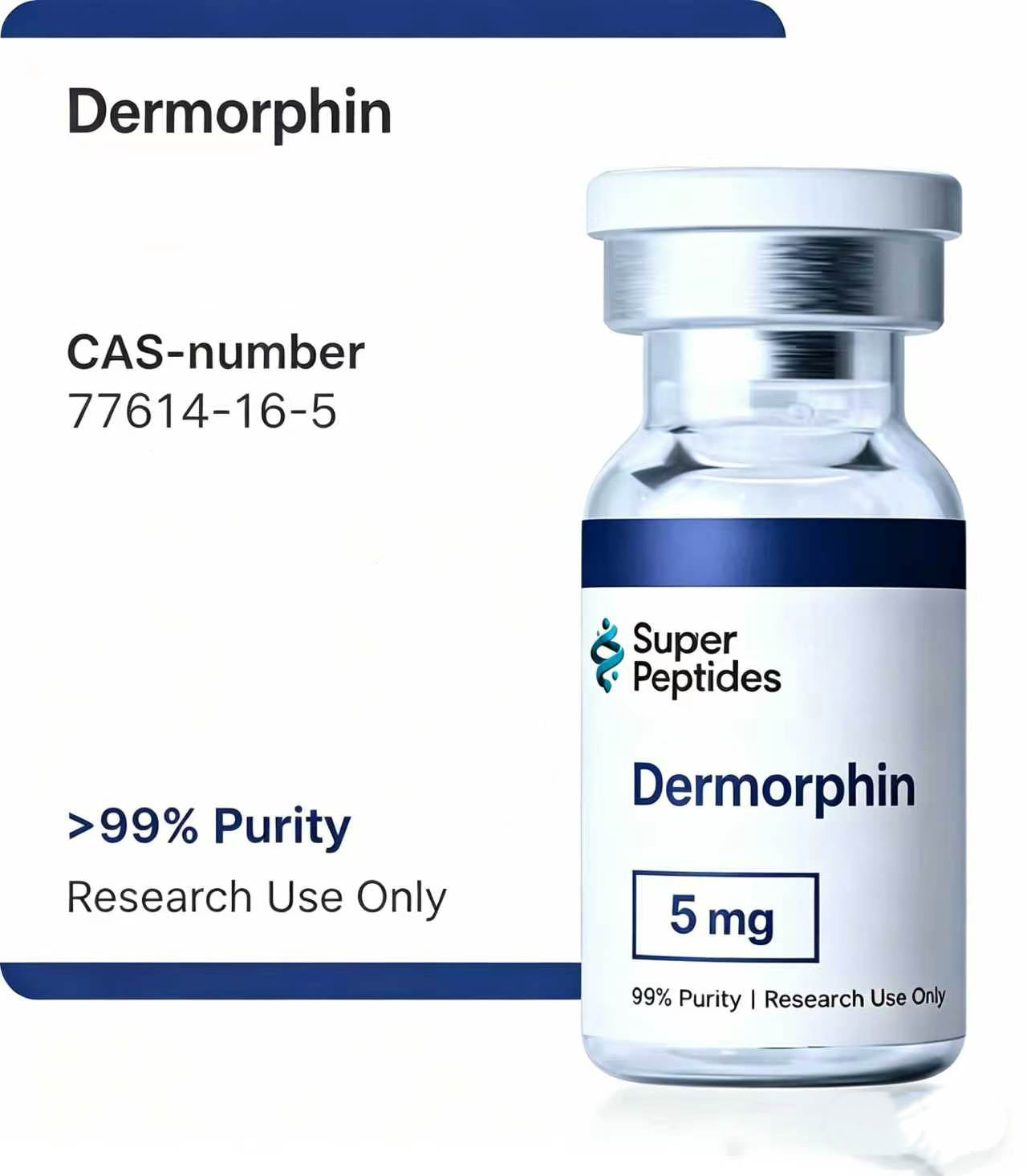
| Molecular Formula | C40H50N8O10 | ||||||
| CAS Number | 77614-16-5 | ||||||
| Molar Mass | 802.87 g/mol | ||||||
| Amino Acid Sequence | H-Tyr-D-Ala-Phe-Gly-Tyr-Pro-Ser-NH₂ | ||||||
| Synonyms | Dermorphin Acetate, Skin Morphine Peptide, Tyrosyl-alanyl-phenylalanyl-glycyl-tyrosyl-prolyl-serinamide | ||||||
| Solubilit | Soluble in Water, Soluble in DMSO, Soluble in 50% Aqueous Methanol | ||||||
| rganoleptic Profile | White to off-white powder | ||||||
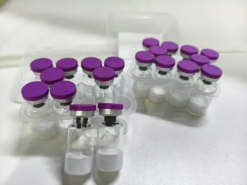
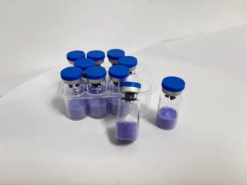
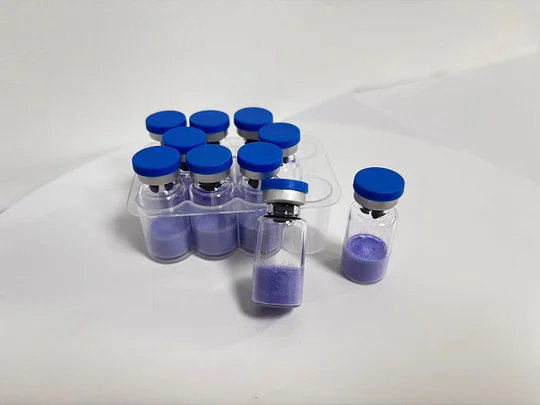
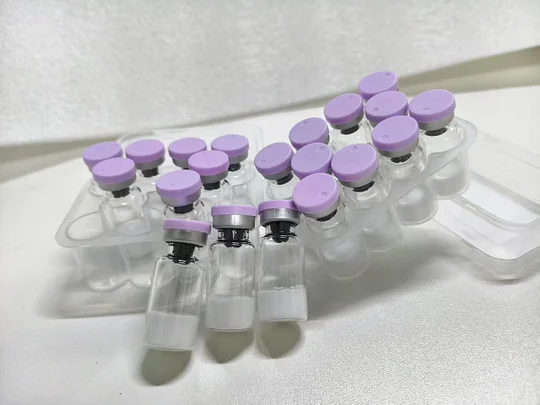
| Composition | Lyophilized powder – requires reconstitution | ||||||
Product Introduction:
Dermorphin is a naturally occurring heptapeptide originally isolated from the skin of South American Phyllomedusa frog species. This highly stable, water-soluble peptide is a potent and selective μ-opioid receptor (MOR) agonist, with research demonstrating approximately 30–40 times greater analgesic potency than morphine in preclinical models.
Dermorphin has been extensively studied for its potential in pain modulation, neurochemistry, and receptor selectivity research. It has shown promise in supporting pain relief across multiple pain models, including neuropathic pain, postoperative pain, and chronic inflammatory pain, with reduced tolerance development compared to traditional opioid agents. It may also exhibit neuroprotective properties and support targeted pain management in conditions where conventional analgesics are less effective.
Dermorphin has been investigated for its potential to aid in the study of pain pathways, opioid receptor pharmacology, and novel analgesic development. Requires reconstitution before use.
- How does Dermorphin work?
Dermorphin exerts its effects through highly selective μ-opioid receptor (MOR) agonism:
μ-Opioid Receptor Activation: Dermorphin binds with exceptional affinity and selectivity to μ-opioid receptors, which are widely expressed in the central nervous system, peripheral nervous system, and gastrointestinal tract. This binding initiates intracellular G-protein coupled signaling cascades, primarily through inhibition of adenylate cyclase and modulation of calcium and potassium ion channels.
Central Nervous System Effects: Dermorphin readily penetrates the blood-brain barrier and acts on μ-opioid receptors in the brainstem, spinal cord, and pain-processing centers. This central action mediates potent analgesic effects, with significantly higher potency than morphine in preclinical pain models.
Peripheral Effects: By activating peripheral μ-opioid receptors, dermorphin modulates peripheral pain signaling, reduces inflammatory pain responses, and may influence gastrointestinal motility.
- Research
Analgesic Efficacy: Dermorphin has been extensively studied for its potent pain-relieving properties, demonstrating 30–40 times greater analgesic potency than morphine in multiple preclinical pain models, including neuropathic pain, inflammatory pain, and postoperative pain.
Receptor Selectivity Research: Its extreme selectivity for μ-opioid receptors makes dermorphin a critical research tool for studying opioid receptor pharmacology, receptor-ligand interactions, and the development of novel analgesic agents with reduced off-target effects.
Tolerance & Dependence Studies: Research indicates dermorphin may exhibit distinct tolerance and dependence profiles compared to traditional opioids, making it a key subject for investigating mechanisms of opioid tolerance and addiction.
Neuropharmacology: Dermorphin has been studied for its potential neuroprotective effects and its role in modulating pain pathways, reward circuits, and autonomic nervous system function.
- Side Effects
The most common side effects associated with dermorphin include:
– Respiratory depression (dose-dependent)
– Sedation and drowsiness
– Nausea and vomiting
– Constipation
– Pruritus (itching)
– Hypotension (low blood pressure)
– Urinary retention
- Summary
Dermorphin represents a landmark advancement in opioid peptide research, offering a highly potent, selective μ-opioid receptor agonist with exceptional analgesic properties. Its unique structure, featuring a D-amino acid substitution, confers enhanced stability and receptor affinity, making it an invaluable tool for investigating opioid receptor function, pain signaling pathways, and novel analgesic development. As research continues into its pharmacology, tolerance mechanisms, and therapeutic potential, dermorphin remains a critical subject for advancing our understanding of opioid biology and addressing the global burden of pain management.
- Resource
All products on this site are for research and development use only. Products are not for human consumption of any kind. The statements made on this website have not been evaluated by the US Food and Drug Administration. The statements and the products of this company are not intended to diagnose, treat, cure, or prevent any disease. Power Peptides is not a compounding pharmacy or chemical compounding facility as defined under 503A of the Federal Food, Drug, and Cosmetic Act. Power Peptides is not an outsourcing facility as defined under 503B of the Federal Food, Drug, and Cosmetic Act. All products are sold for research, laboratory, or analytical purposes only, and are not for human consumption. Power Peptides Products are intended strictly for research purposes only. These products are not approved by the U.S. Food and Drug Administration (FDA) for human consumption or medical use. Under no circumstances should these peptides be used for any purpose other than research. By purchasing or using our peptides, you acknowledge and agree that you will use them solely in accordance with applicable laws and regulations and that you accept full responsibility for their use. Statements made on this website have not been evaluated by the USA Food and Drug Administration.
Reviews
There are no reviews yet.