

| Characteristics | |||||||
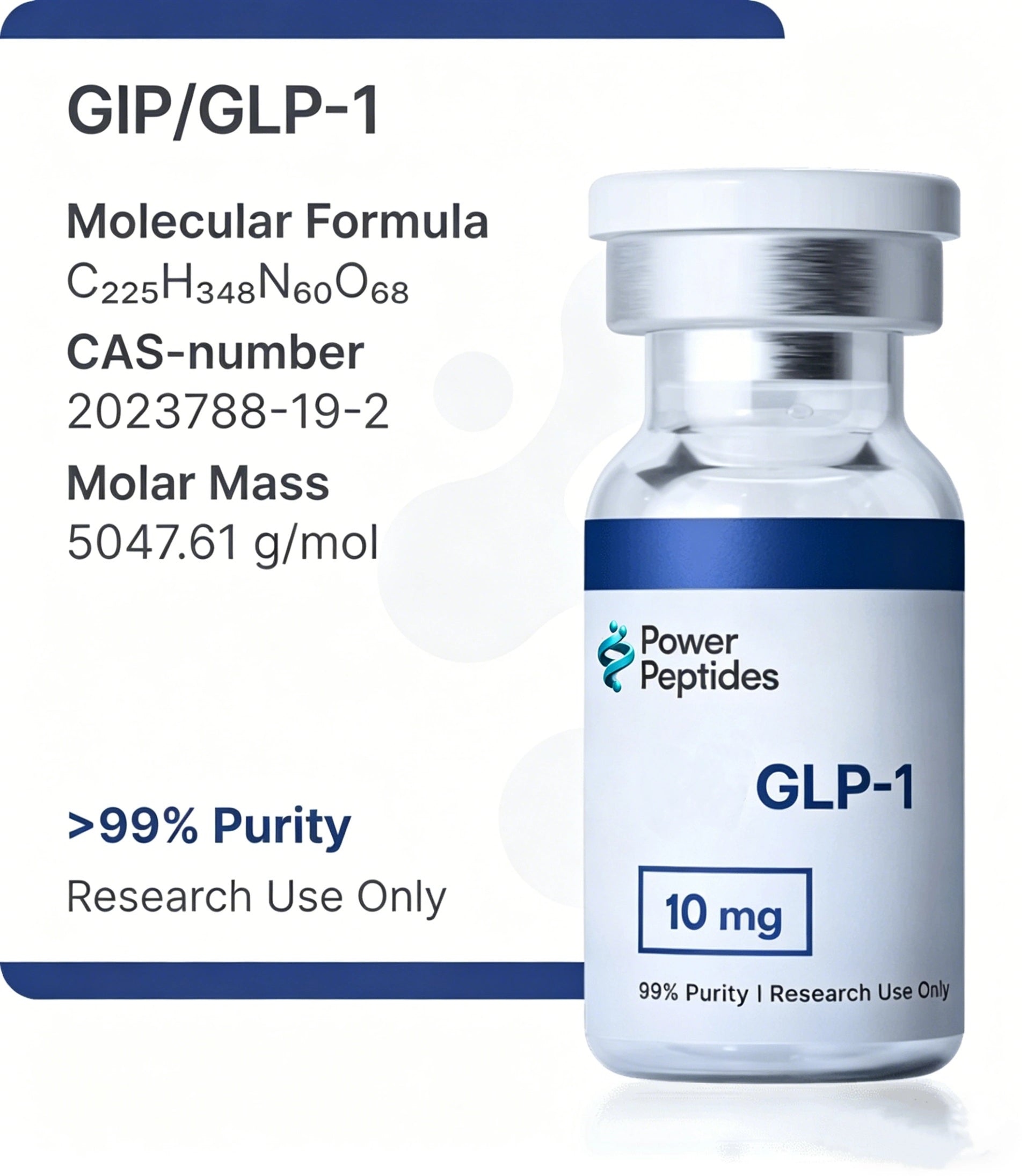
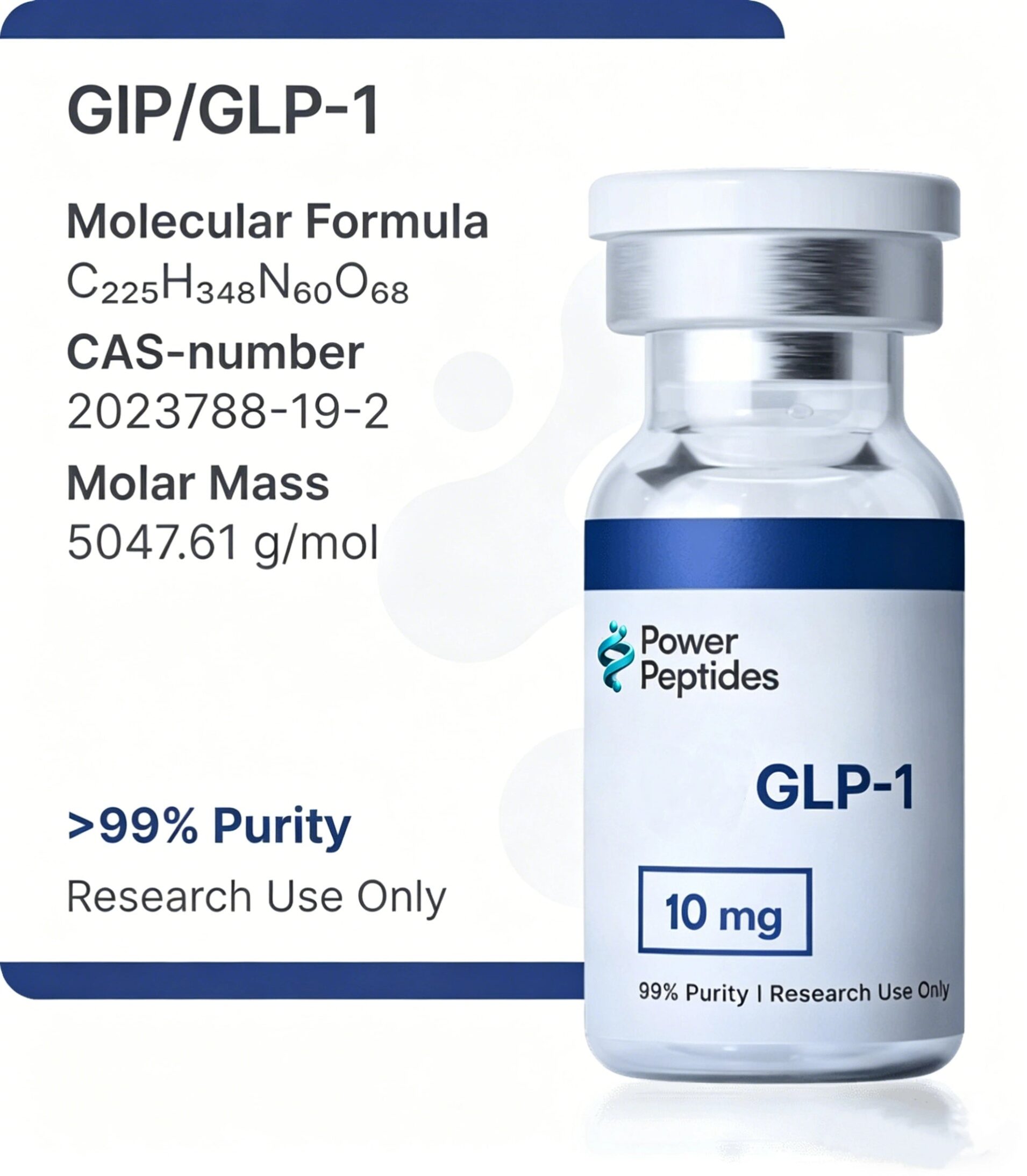
| Molecular Formula | C₁₆₄H₂₅₂N₄₂O₄₉ | ||||||
| CAS Number | 87805-34-3 | ||||||
| Molar Mass | 3751.2 g/mol | ||||||
| Amino Acid Sequence | HAEGTFTSDVSSYLEGQAAKEFIAWLVKGRG | ||||||
| Synonyms | Glucagon-like peptide-1, GLP-1(7-37), GLP-1(7-36)amide, GLP-1, 7-37 GLP-1 | ||||||
| Solubilit | Soluble in Water, Aqueous Buffer Solutions | ||||||
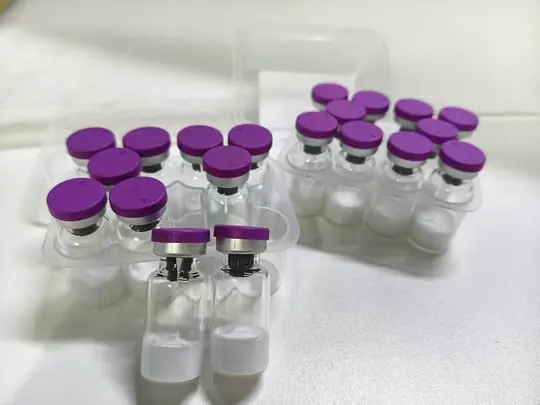
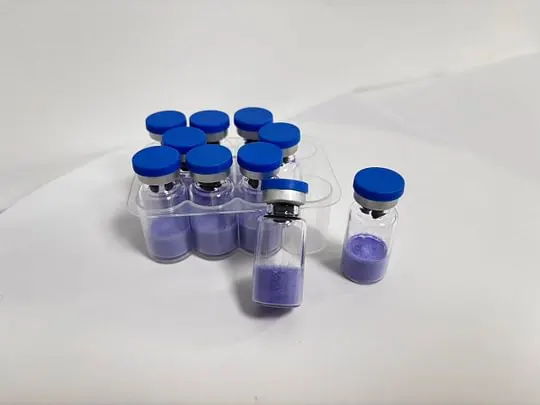
| rganoleptic Profile | White to off-white lyophilized powder | ||||||
| Composition | Lyophilized powder – requires reconstitution with sterile diluent | ||||||
Product Introduction:
GLP-1 (Glucagon-like Peptide-1) is a naturally occurring incretin hormone synthesized in the intestinal tract, playing a pivotal role in regulating glucose homeostasis and metabolic processes. This short-chain peptide exerts its multifaceted effects by binding to specific GLP-1 receptors distributed across various organs, including the pancreas, stomach, brain, and liver.
- How does GLP-1 work?
GLP-1 exerts its biological functions through several interconnected mechanisms:
• Receptor Activation: GLP-1 specifically binds to GLP-1 receptors, which are widely expressed in tissues including the pancreas, stomach, hypothalamus, brainstem, cardiovascular system, and gastrointestinal tract. This binding triggers intracellular signaling cascades (primarily cyclic AMP (cAMP) and Protein Kinase A (PKA) pathways), mediating its broad physiological effects.
• Glucose Homeostasis: In pancreatic β-cells, GLP-1 enhances glucose-stimulated insulin secretion (GSIS) by increasing intracellular cAMP levels and promoting calcium influx. Concurrently, it inhibits glucagon secretion from α-cells in a glucose-dependent manner, effectively lowering blood glucose and reducing glycemic variability.
• Central Nervous System Effects: GLP-1 crosses the blood-brain barrier and acts on central GLP-1 receptors. It regulates appetite centers in the hypothalamus, modulates reward signaling, and may influence cognitive function and neuroprotection.
• Gastrointestinal Modulation: GLP-1 slows gastric emptying rate, reduces gastric acid secretion, and suppresses postprandial gastrointestinal motility, which contributes to increased satiety and reduced caloric intake.
• Metabolic Benefits: Beyond glycemic control, GLP-1 may support lipid metabolism, reduce hepatic fat accumulation, and exhibit anti-inflammatory properties in metabolic tissues.
- Research
GLP-1 is one of the most extensively studied peptides in metabolic research. Key research directions include:
• Type 2 Diabetes Mellitus (T2DM): Clinical studies confirm GLP-1’s efficacy in improving glycated hemoglobin (HbA1c) and fasting blood glucose, with a low risk of hypoglycemia compared to traditional antidiabetic agents.
• Weight Management: As an endogenous regulator of appetite, GLP-1 significantly reduces food intake and body weight in clinical trials, making it a core target for obesity treatment research.
• Cardiovascular Protection: Emerging research highlights GLP-1’s potential to improve cardiovascular outcomes, including reducing major adverse cardiovascular events (MACE), improving lipid profiles, and lowering blood pressure in metabolic disorder patients.
• Neuroprotection & Organ Regeneration: Preclinical studies show GLP-1 may support neurogenesis, reduce neuroinflammation, and exhibit protective effects in models of neurodegenerative diseases and organ injury repair.
- Side Effects
Common side effects associated with GLP-1 supplementation (primarily observed in clinical trials) include:
• Nausea
• Vomiting
• Diarrhea
• Abdominal pain/discomfort
• Constipation
• Flatulence
Note: Side effects are typically mild to moderate, transient, and often diminish with continued use or dosage adjustment.
- Summary
GLP-1 represents a cornerstone in modern metabolic and cardiovascular research. As a native incretin hormone, it modulates glucose homeostasis, appetite, and energy metabolism through highly conserved signaling pathways. Its demonstrated efficacy in T2DM treatment, weight management, and potential cardiovascular benefits make it an indispensable tool for investigating metabolic physiology. As research advances, GLP-1 continues to uncover novel therapeutic strategies for addressing the global epidemics of diabetes, obesity, and related metabolic disorders.
- Resource
All products on this site are for research and development use only. They are not intended for human consumption, diagnostic, or therapeutic purposes. The statements on this website have not been evaluated by the USA Food and Drug Administration (FDA).
GLP-1 peptides are research-grade compounds and are not approved for human use by any regulatory agency. They are strictly for in vitro/in vivo research applications. Under no circumstances should these peptides be used for human consumption or any off-label applications. By purchasing or using our products, you acknowledge full responsibility for their use and comply with all applicable local, national, and international laws and regulations.




Reviews
There are no reviews yet.